The best places to see wildlife in Sri Lanka
Where and when to go to see the island's animals

by The Holiday People on 16th October 2026
Holidays with experience

For an island you can cross in a day, Sri Lanka holds an extraordinary range of wildlife. On a single holiday you could watch a leopard stretch out on a rock in Yala, see wild elephants gather in their hundreds on the grasslands of the Cultural Triangle and head out to sea in search of blue whales off the south coast.
Sri Lanka's national parks cover dry scrub and grassland, lagoons and wetlands, montane cloud forest and lowland rainforest, and each one is home to a different mix of animals. Because the island has two monsoons, the best time to visit also varies from park to park.
In this guide, we've split Sri Lanka's best wildlife spots into two groups. The classics are the parks that feature on most Sri Lanka holidays, including ours. For wildlife enthusiasts covers quieter parks that are well worth adding to a tailor-made itinerary if you want to go further. For each one, you'll find what you're likely to see, the best time to visit and one tip to help you make the most of it.
Sri Lanka's best wildlife spots at a glance
Park or reserve | Region | Wildlife highlights |
|---|---|---|
The classics | ||
Yala National Park | South-east | Leopards, elephants, sloth bears, crocodiles |
Udawalawe National Park | South | Elephant herds, Elephant Transit Home |
Minneriya and Kaudulla National Parks | Cultural Triangle | "The Gathering" of wild elephants |
Mirissa | South coast | Blue whales, sperm whales, dolphins |
Horton Plains National Park | Hill country | Sambar deer, purple-faced langurs, highland endemic birds |
For wildlife enthusiasts | ||
Wilpattu National Park | North-west | Leopards, sloth bears, elephants |
Bundala National Park | South-east | Flamingos, migratory waterbirds |
Kumana National Park | South-east | Nesting waterbirds, elephants, leopards |
Gal Oya National Park | East | Swimming elephants, waterbirds |
Sinharaja Forest Reserve | South-west | Endemic rainforest birds |
Trincomalee | North-east coast | Blue whales, sperm whales |
Kalpitiya | North-west coast | Spinner dolphins, sperm whales |
Rekawa | South coast | Nesting sea turtles |
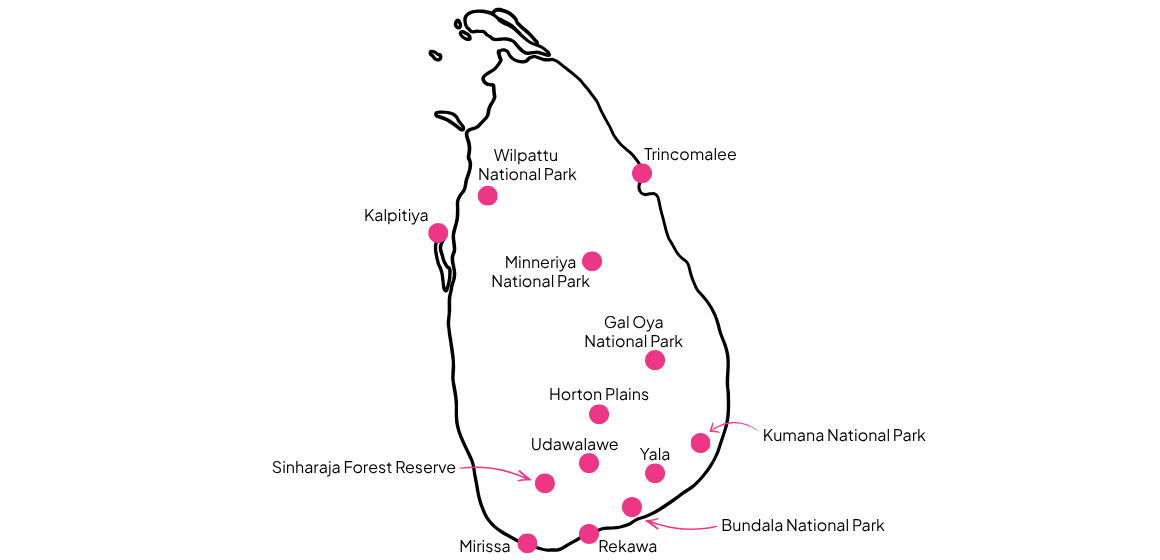
When to go to Sri Lanka for wildlife
Sri Lanka is a year-round wildlife destination, because its two monsoons bring rain to different parts of the island at different times.
From December to April, the south and west are at their driest. It's the season for whale watching off Mirissa, migratory birds at Bundala and comfortable safaris in Yala and Udawalawe. February to April is also the best time for clear views in the hill country.
From May to September, the east and north are drier. This is when elephants gather in their hundreds around the reservoirs at Minneriya and Kaudulla, whales move to the waters off Trincomalee and waterbirds nest at Kumana.
If you're planning a holiday around one particular animal, it's worth building your route around its season, as the table above shows.
The classics
Yala National Park
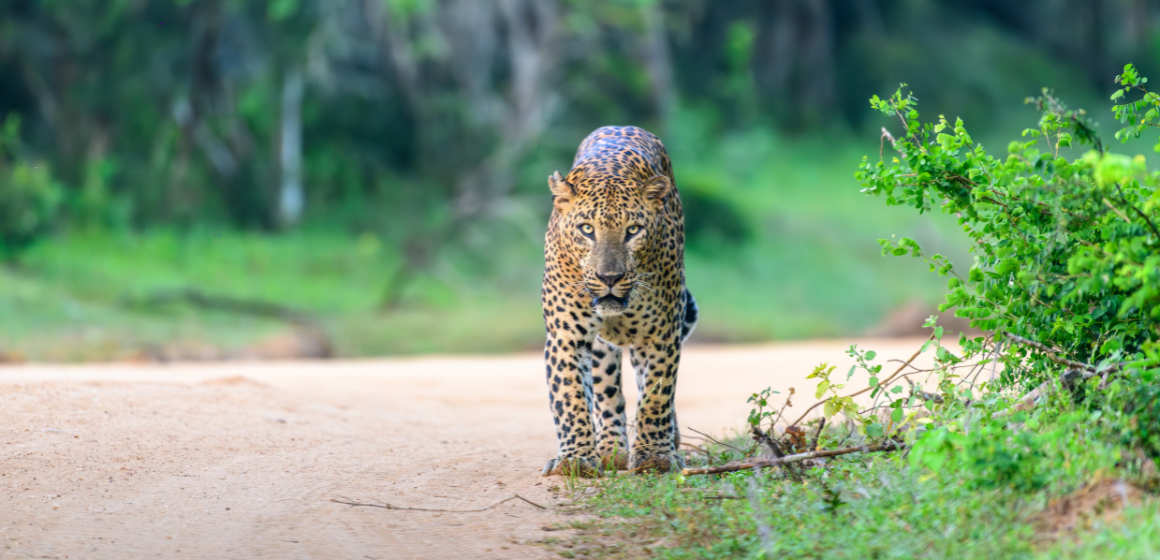
On the south-east coast, Yala is Sri Lanka's most famous national park and one of the best places in Asia to see leopards in the wild. Its mix of scrub jungle, open grassland, lagoons and rocky outcrops is also home to elephants, sloth bears, mugger crocodiles, water buffalo and spotted deer. Birdlife is plentiful too, from peacocks and painted storks to hornbills and bee-eaters.
Best time to visit: February to June, when the weather is dry and animals are drawn to the remaining waterholes. Each year, the park's two most visited sections, Blocks 1 and 2, close for around a month from mid-September to protect wildlife during the driest weeks, so check before booking a visit in September or October.
Our tip: Plan at least two safaris, ideally one in the early morning and one in the late afternoon. Leopards are never guaranteed, and more time in the park gives you a better chance of seeing one.
Visit Yala National Park on our 11-day Sri Lanka Family Safari and Beach holiday
Udawalawe National Park
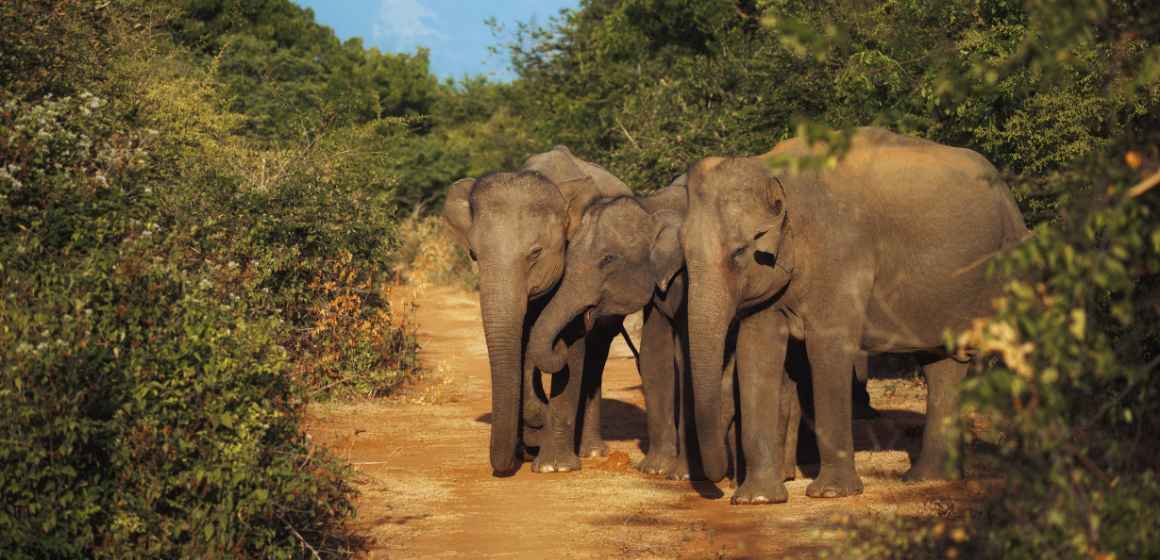
If seeing wild elephants is top of your list, Udawalawe is the place to go. Centred on a large reservoir, the park's open grasslands make elephants easy to spot, and herds with young calves are a common sight. You may also see water buffalo, mugger crocodiles, jackals and birds of prey such as crested serpent eagles.
Just outside the park, the Elephant Transit Home cares for orphaned elephant calves until they're old enough to be released back into the wild. Visitors can't touch or feed the calves, but you can watch them being fed from a viewing area at set times each day.
Best time to visit: Elephants can be seen year-round. January to March tends to be the driest period.
Our tip: Book a morning safari, then time your visit to the Elephant Transit Home for one of its feeding sessions. Feeding times can change, so confirm them locally on the day.
Visit Udawalawe National Park on our 11-day Sri Lanka Elephants, Temples and Beach Family Holiday
Minneriya and Kaudulla National Parks
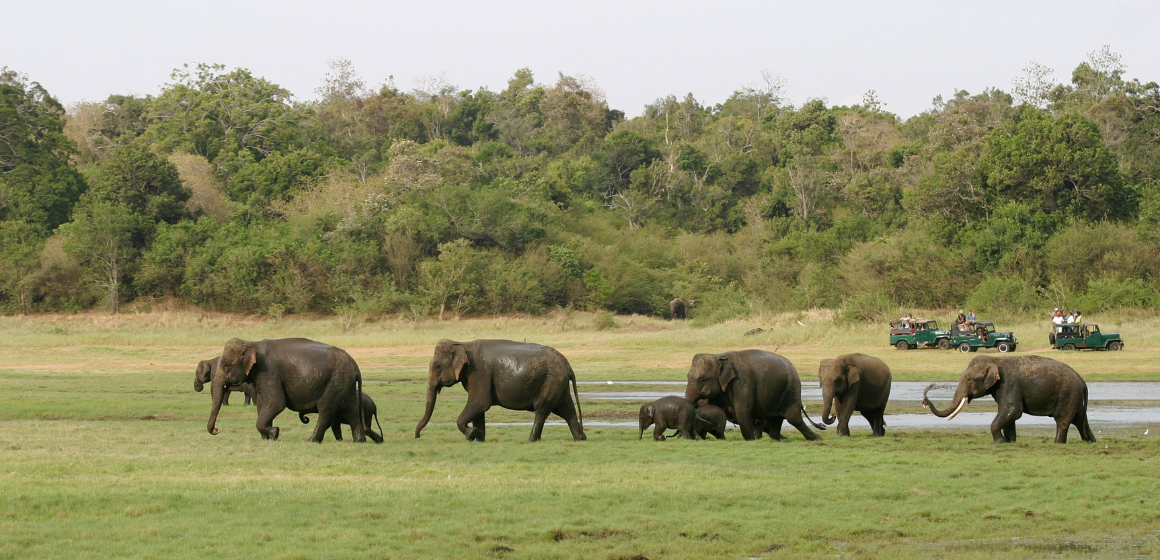
Close to Sigiriya in the Cultural Triangle, these neighbouring parks host one of Asia's great wildlife spectacles, known simply as "The Gathering". As the dry season takes hold, waterholes across the region dry up and elephants make their way to the ancient Minneriya and Kaudulla reservoirs, where fresh grass grows on the exposed banks. At its peak, you can see herds of more than a hundred elephants grazing, bathing and socialising together.
Both parks are also good for birdwatching, with pelicans, painted storks, cormorants and eagles around the water.
Best time to visit: July to October, with the largest gatherings usually in August and September. Elephants can be seen here in smaller numbers for much of the year.
Our tip: Go on an afternoon safari, when elephants come out of the forest to graze and bathe. The herds move between the two parks depending on water and grazing, so let your guide decide which park to visit on the day.
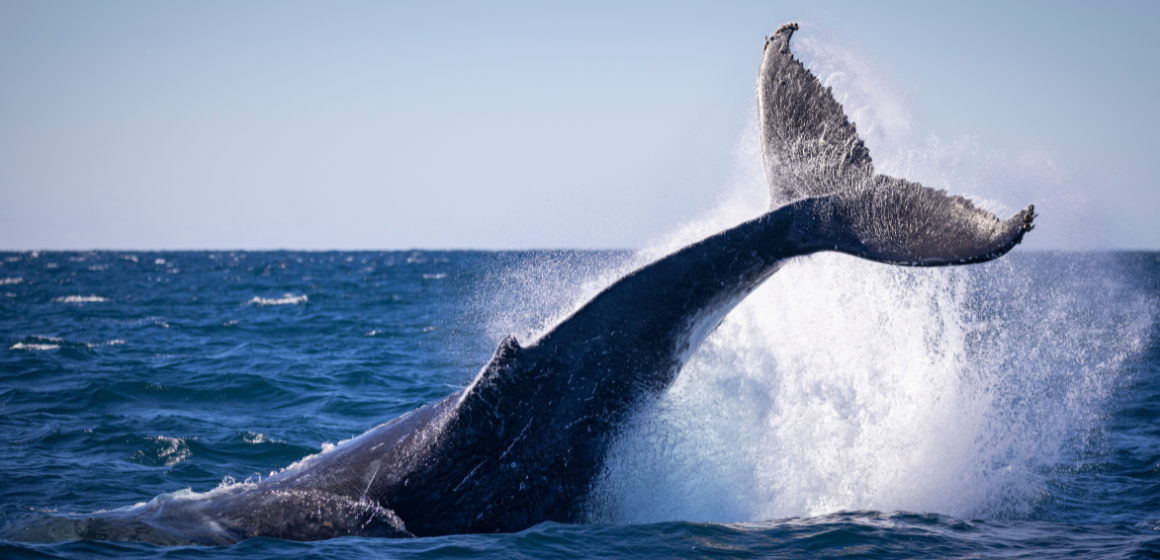
Mirissa
The deep water off Sri Lanka's southern tip lies close to the shore, which makes Mirissa one of the most reliable places in the world to see blue whales, the largest animals on Earth. Sperm whales, Bryde's whales and spinner dolphins are also regularly seen, and fin whales and orcas occasionally appear.
Best time to visit: November to April, when the sea is calmer. January to March is usually the peak of the season.
Our tip: Choose your boat operator carefully. There are no national rules on how close boats can get to whales, so look for an operator that keeps a respectful distance and limits the number of passengers.
Visit Mirissa on our 14-day Splendours of Sri Lanka holiday
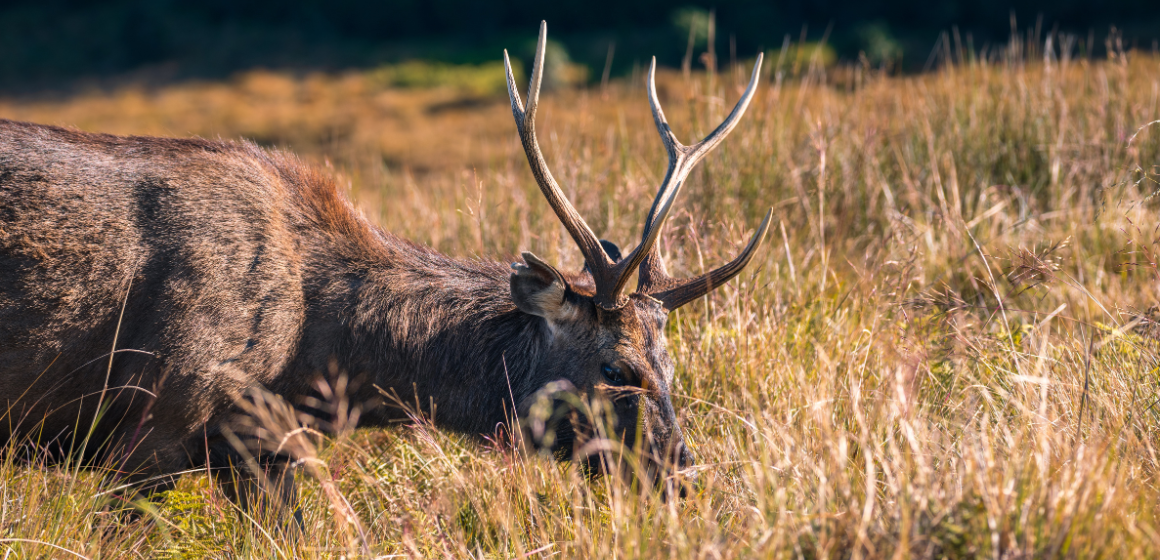
Horton Plains National Park
High in the hill country, Horton Plains is a cool, misty plateau of grassland and cloud forest that ends dramatically at World's End, a sheer cliff with views far across the lowlands. Herds of sambar deer graze in the open, and you may spot purple-faced langurs, which are only found in Sri Lanka. Birdwatchers come here for highland species found nowhere else on Earth, such as the Sri Lanka whistling thrush, dull-blue flycatcher and yellow-eared bulbul.
Best time to visit: February to April, when the hill country has its clearest weather.
Our tip: Arrive as close to opening time as possible. Wildlife is most active early in the day, and mist usually rolls in by mid-morning, hiding the view from World's End. There's nowhere to buy food inside the park, so bring snacks, water and a warm layer.
For wildlife enthusiasts
Wilpattu National Park
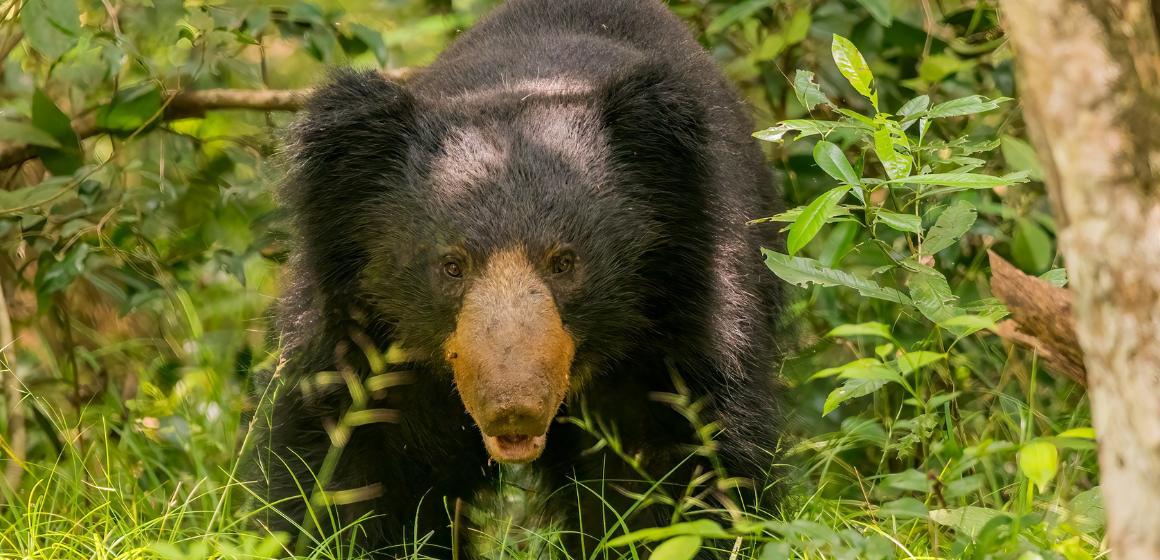
Sri Lanka's largest and oldest national park lies in the north-west, and it sees a fraction of Yala's visitors. Its landscape is dotted with dozens of villus, natural shallow lakes that fill with rainwater and draw wildlife from the surrounding forest. Wilpattu is one of the best parks in the country to see sloth bears, and it also has a healthy leopard population, along with elephants, sambar and spotted deer, water buffalo and mugger crocodiles.
Best time to visit: February to October, when the weather is drier and animals gather around the villus. May to July is a good time for sloth bears, which come out to feed on the fruit of the palu tree.
Our tip: Book a full-day safari if you can. Wilpattu is vast and its animals are spread out, so a full day gives you time to reach the quieter villus deeper in the park.
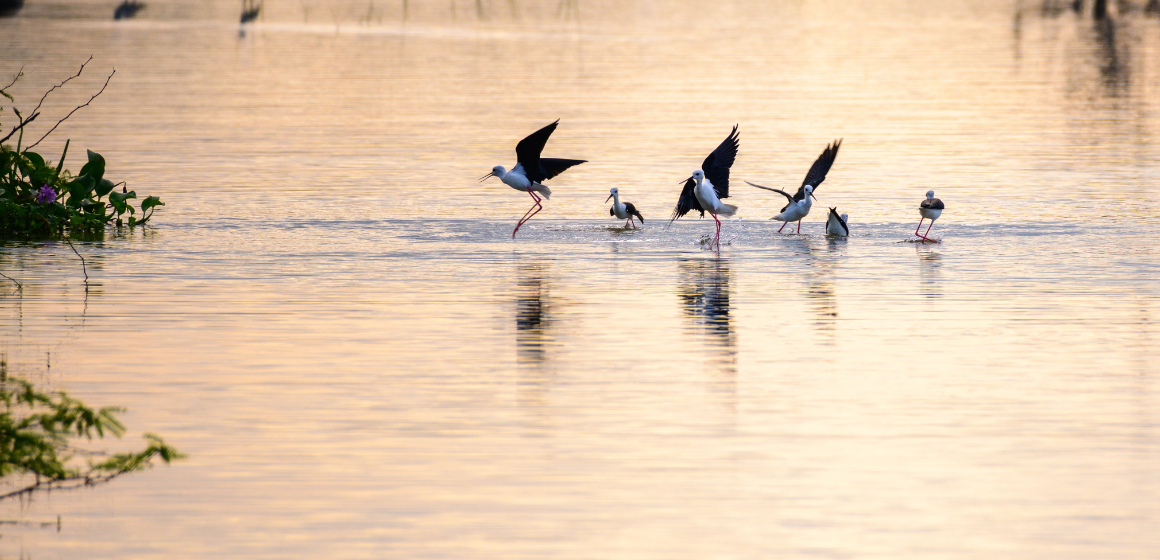
Bundala National Park
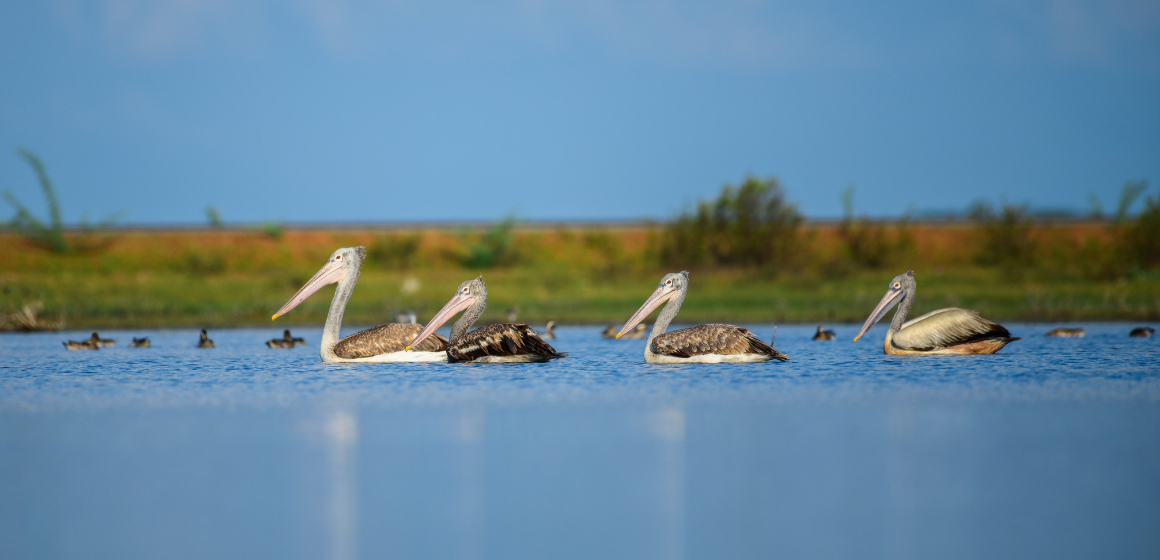
A short drive west of Yala, Bundala is a quiet landscape of shallow lagoons, salt pans, scrub and sand dunes. In 1991 it became Sri Lanka's first wetland of international importance under the Ramsar Convention, and it's one of the best birdwatching spots on the island. Each winter, greater flamingos and thousands of migratory waders arrive from the north to join resident pelicans, painted storks, herons and spoonbills. Elephants and crocodiles live here too.
Best time to visit: September to March, when migratory birds are present. Flamingo numbers are usually highest from around November to January.
Our tip: Bring your own binoculars. Many of Bundala's birds feed far out on the lagoons, and a good pair makes all the difference.
Kumana National Park
On the far side of Yala, Kumana is wild, remote and visited by very few people. Its centrepiece is the Kumana villu, a mangrove swamp where waterbirds gather to nest in their thousands, including pelicans, painted storks, spoonbills, ibises, herons and egrets. The park also shares many of Yala's mammals, including elephants, leopards and the endangered fishing cat.
Best time to visit: April to July, during the bird nesting season.
Our tip: Combine Kumana with a stay on the east coast. It's within reach of Arugam Bay, and its best season falls during the east coast's drier months.
Gal Oya National Park
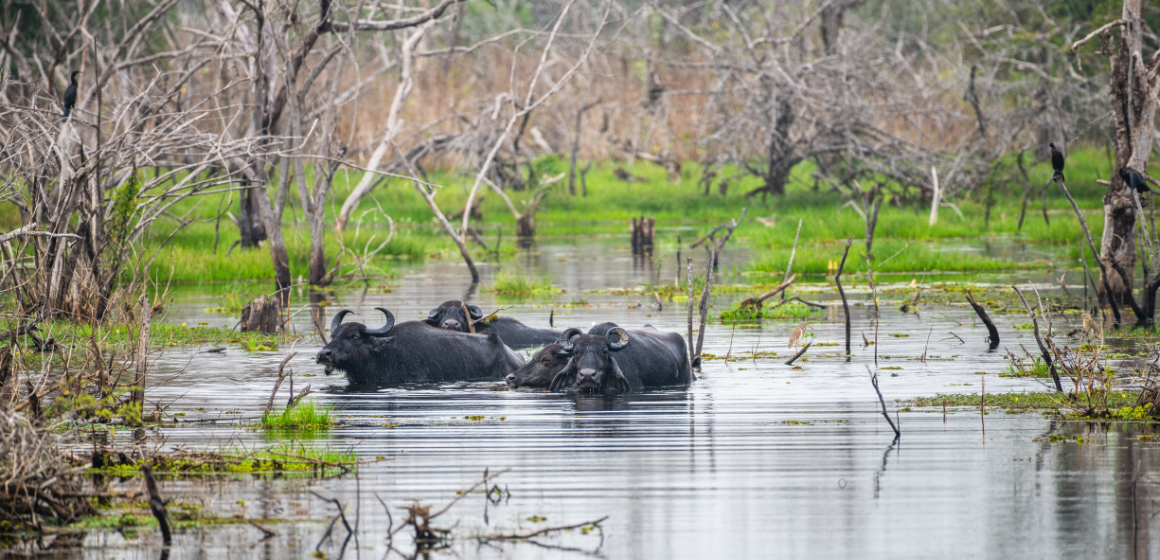
In the east of the island, Gal Oya surrounds Senanayake Samudra, Sri Lanka's largest reservoir, and it's one of the few parks in Sri Lanka where you can go on safari by boat as well as by jeep. Its great draw is the chance to see elephants swimming between the islands in the lake in search of fresh grazing. Leopards, sloth bears, water buffalo and mugger crocodiles also live here, and the lake attracts large numbers of waterbirds.
Best time to visit: March to July, when elephants gather around the water.
Our tip: Take the boat safari early in the morning or late in the afternoon, when the light is softer and elephants are more active. Swimming elephants are never guaranteed, but you'll see plenty of wildlife along the shoreline either way.
Sinharaja Forest Reserve
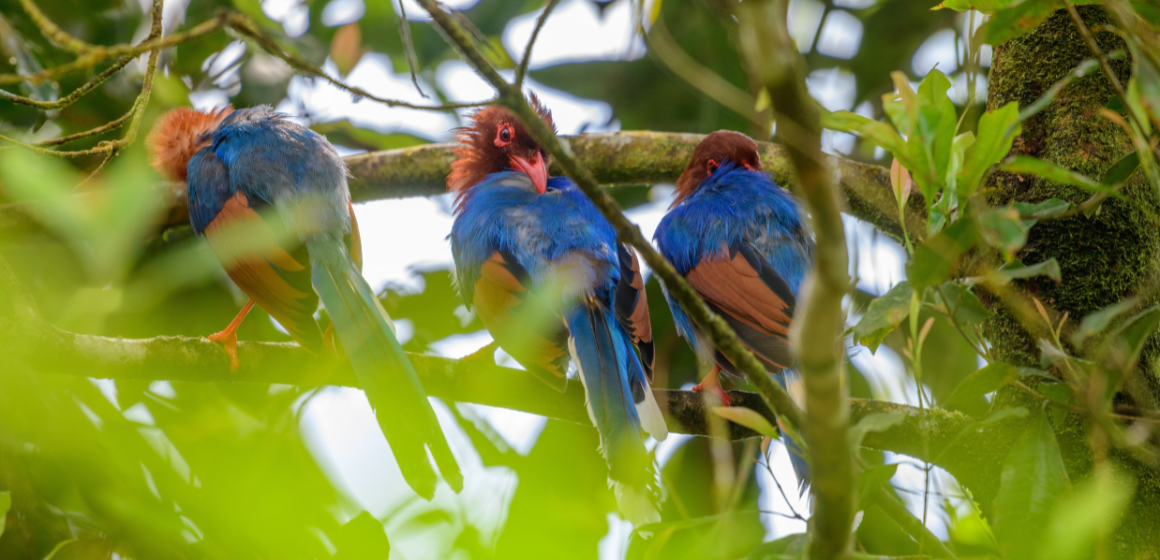
A UNESCO World Heritage Site in the south-west, Sinharaja is the country's last large area of primary lowland rainforest. It's a must for birdwatchers, as almost all of Sri Lanka's rainforest endemic birds live here, including the Sri Lanka blue magpie, red-faced malkoha and green-billed coucal. Birds often move through the forest in mixed feeding flocks, so you may see a dozen species at once. Look out for purple-faced langurs, giant squirrels, lizards and frogs too.
Best time to visit: January to March, when rainfall is lower. August and September can also be good.
Our tip: Sinharaja can only be explored on foot with a local guide, so ask for one who specialises in birds. They know the calls of the mixed flocks and can lead you to them.
Trincomalee
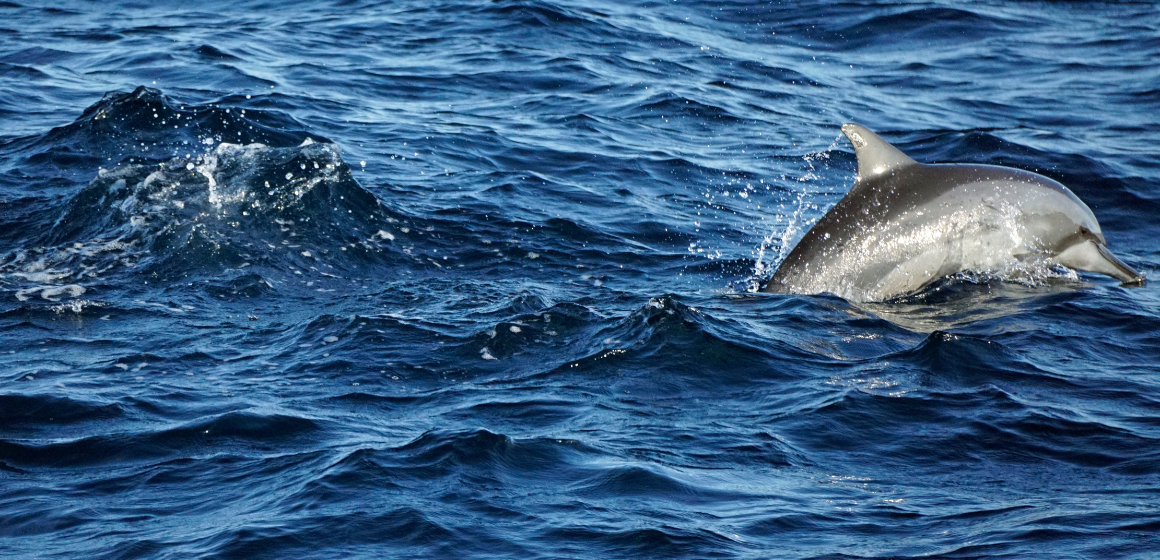
When the whale season ends in the south, it begins on the east coast. Blue whales and sperm whales are seen in the deep waters off Trincomalee, often within a short boat ride of the harbour, along with spinner dolphins.
Best time to visit: May to August, during the east coast's calmer, drier months.
Our tip: Pair whale watching with a beach stay at Nilaveli or Uppuveli. Boats leave early in the morning, so staying nearby makes the start much easier.
Kalpitiya
On a peninsula on the north-west coast, Kalpitiya is known for spinner dolphins, which are regularly seen leaping and spinning offshore. Sperm whales are also seen here at times. Kalpitiya combines well with a safari in nearby Wilpattu.
Best time to visit: November to March, when the sea is calmer.
Our tip: Head out on an early-morning boat trip, when the sea is usually at its calmest and dolphins are often most active.
Rekawa
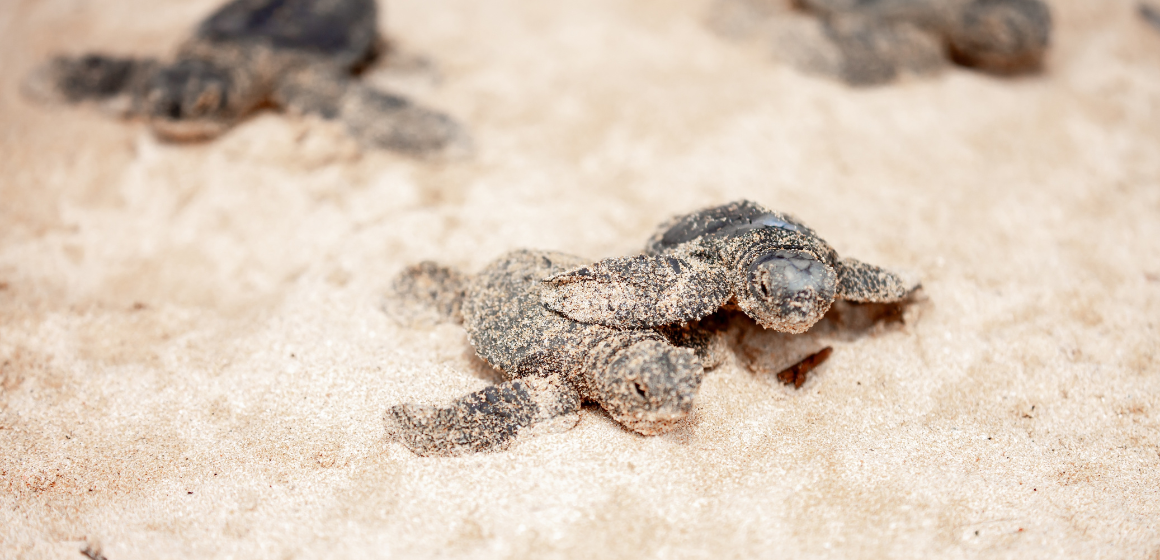
Near Tangalle on the south coast, Rekawa beach is one of Sri Lanka's most important turtle nesting sites. Five species of sea turtle nest along this stretch of coast, with green turtles the most common. A local conservation project protects the nests and leads small groups onto the beach at night to watch turtles come ashore and lay their eggs.
Best time to visit: Turtles nest year-round, but February to July is the busiest period.
Our tip: Be patient and follow your guide's lead. You may wait some time for a turtle to arrive, and torches, flash photography and noise can disturb nesting turtles. Watching turtles nest in the wild is a very different experience from visiting one of the many turtle hatcheries along the coast.
Plan your Sri Lanka wildlife holiday
Because the two monsoons affect each region differently, there's wildlife to see somewhere in Sri Lanka in every month of the year. A winter holiday might pair leopards in Yala with blue whales off Mirissa, while a summer trip could combine the elephant gathering at Minneriya with whale watching from Trincomalee.
Take a look at our Sri Lanka holidays, or get in touch and we'll design a tailor-made trip around the wildlife you'd most like to see.