One price, no hidden extras
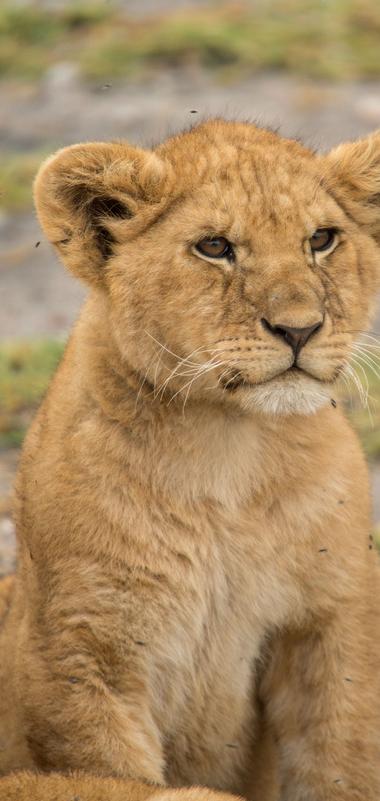
Adventure is calling from the wild African savanna! Head out on safari in Tanzania’s world-renowned national parks and conservation areas to see huge herds of wildebeests and zebras; playful elephants; and cunning hunters such as lions, cheetahs and Nile crocodiles. From Arusha to Mto wa Mbu, taste bananas fresh from the farm, learn about traditional crafts and hear how locals are working to protect the cultures and creatures of their remarkable homeland.
Call or email our experts to find out more and help with ideas and planning.
 Sarah
Sarah Petra
Petra Charlotte
Welcome to Arusha–your arrival transfer to the hotel is included. Check in and get excited to meet your fellow travelers during a welcome meeting this evening where all families can bond before the Journey ahead. Our National Geographic Family Journeys tour in Tanzania has a maximum group size of eighteen travellers in addition to our highly trained Expedition Leaders and safari guides/drivers. We will make use of a maximum of three 7-seat 4x4 safari vehicles, with 6 guests per vehicle, meaning everyone gets a window seat.
Duck under the giant leaves of banana trees as you explore the lush farmlands surrounding the vibrant town of Mto wa Mbu, which has attracted some 18,000 residents from 120 different tribes. Take a guided walk through the community, learning about local history, industry and cuisine from members of several Tanzanian tribes. You’ll also visit a local market and learn how the residents' huts are made. Then enjoy lunch with a local family, tasting different types of banana and rice dishes harvested from nearby farms. After lunch, visit the workshops of local artisans who will describe influences and materials they use to make the items they sell in local markets. They’ll also show you techniques they use to create art from banana leaves—then it’s your turn to create some banana art of your own! Continue to the Rift Valley escarpment and settle into the lodge.
It’s officially time for safari, but first an introduction to the remarkable anthropological history of the Serengeti area. Delve into the story of human origins at the Olduvai Gorge Museum and Visitor's Center, located near the site where National Geographic archaeologists Louis and Mary Leakey discovered early hominid fossils and stone tools. After a filling picnic lunch, continue to the world-famous Serengeti National Park and go on a safari across the wild Serengeti Plain. Throughout your safari, keep an eye out for galloping giraffes and lounging lions. Then, head back to camp for a delicious dinner before settling in for a good night’s sleep.
Awake early to the golden light spilling across the boundless plains of the Serengeti, embarking on a morning safari drive in a 4x4 with a pop-up roof. Binoculars in hand, scan the horizon for lions resting in the tall grass, towering giraffes drinking at watering holes, and tiny dik-diks darting through the brush. Return to the bush for an afternoon drive to track the legendary Big Five—watching in awe as elephants and Cape buffalo traverse the wild savanna. As twilight sets in, adults unwind with a tranquil bush dinner and optional sundowners. Meanwhile, younger travellers enjoy their own special evening sharing a meal while learning Swahili songs and traditional Tanzanian games alongside their National Geographic Expedition Leaders. As night falls, gather together around the crackling campfire to watch the children perform their newly learned songs under the starry African sky.
On a morning safari, look out for cackling jackals, brave honey badgers or long-necked ostriches strutting through the grass. Enjoy a picnic breakfast surrounded by the vast savanna before heading out of the Serengeti en route to the Ngorongoro Conservation area. Once you settle into the lodge, enjoy a delicious lunch to fuel up for your next adventure. In the afternoon, join your Expedition Leader and a park ranger for a walk along the rim of Ngorongoro Crater, observing the small flora and fauna that make this biodiverse spot so spectacular. Keep your eyes peeled for inspiration, as after the walk concludes, you'll head back to the lodge to meet an artist from the local community who will guide you through a painting class. You’ll get to use your own canvas to illustrate all the things that inspired you on your walk along the rim of the crater.
Set out into the Ngorongoro Crater, an enormous volcanic caldera where animals of all kinds gather to graze or hunt. Descend into the caldera for a full-day safari drive, ready to be mesmerized by zebra stripes and the eland’s spiral horns. Spot buffalo, wildebeests, zebras and gazelles as they bound across the grass. Enjoy a picnic lunch along the way within the crater.
Your day begins with a visit to a local coffee farm, where you’ll learn about the “seed to cup” coffee making process. After watching the beans roast, you’ll get to sample some of the freshly made coffee. After you enjoy lunch at the farm, take a walk through the picturesque landscape. Your next stop is a visit to a Maasai village in the Monduli district, where you’ll chat with locals and learn about the the tour operator-supported Clean Cookstoves project—an amazing initiative that seeks to reduce household air pollution. You’ll meet one of the project’s female engineers and lend a hand during the installation of a new stove in a village boma, or traditional home. Return to Arusha and gather for a farewell dinner while sharing stories about your exciting adventures.
Depart at any time.
Our Important Notes and Packing List cover all essentials, from necessary equipment to inclusions, ensuring you're fully equipped and informed for this extraordinary adventure and more.
Cold Weather: • Long-sleeved shirts or sweater • Scarf • Warm gloves • Warm hat • Warm layers • Warm waterproof jacket Documents: • Flight info (required) (Printouts of e-tickets may be required at the border) • Insurance info (required) (With photocopies) • Passport (required) (With photocopies) • Vouchers and pre-departure information (required) • Visas or vaccination certificates (With photocopies) Essentials: • Footwear (required) (Closed toe suggested) • Toiletries (required) (Shampoo, bodywash, soap, etc.) • Binoculars (optional) • Camera (With extra memory cards and batteries) • Cash, credit and debit cards • Day pack (Used for daily excursions or short overnights) • Ear plugs • First-aid kit (should contain lip balm with sunscreen, sunscreen, whistle, Aspirin, Ibuprofen, bandaids/plasters, tape, anti-histamines, antibacterial gel/wipes, antiseptic cream, Imodium or similar tablets for mild cases of diarrhea, rehydration powder, water purification tablets or drops, insect repellent, sewing kit, extra prescription drugs you may be taking) • Flashlight/torch (Headlamps are ideal) • Fleece top/sweater • Hat • Headphones (Noise-cancelling recommended) • Locks for bags • Long pants/jeans • Moneybelt • Outlet adapter • Personal entertainment (Reading and writing materials, cards, music player, etc.) • Reusable water bottle • Shirts/t-shirts • Sleepwear • Small travel towel • Sunglasses • Swimwear • Watch and alarm clock • Waterproof backpack cover • Windproof rain jacket Health & Safety: • Face masks (Clients will be only be required to wear a face mask where it is mandated by local regulations.) • Hand sanitizer • Pen (Please bring your own pen for filling out documents.) Smart Dress: • Smart outfit (For evenings out) Warm Weather: • Sandals/flip-flops • Shorts/skirts (Longer shorts/skirts are recommended) • Sturdy water shoes/sandals • Sun hat/bandana • Swimwear Note: The climate in East Africa varies between the dry and rainy season. Light weight, quick-drying, clothes are advisable for safari. It is important to pack clothes for warm days and cool evenings, as well as a light windproof/waterproof jacket. Layering is essential.We’re working with our accommodation partners to reduce single-use plastic on our tours by providing safe drinking water for refillable bottles wherever possible. Find out more about our Plastics Partnership Project <a href="https://www.gadventures.com/about-us/responsible-travel/plastics-partnership-project/">here.</a>
You will be on the move a lot, so our advice is to pack as lightly as possible. Your baggage should be clearly labelled and restricted to one soft compact suitcase, sports bag, or backpack. A daypack is also essential for carrying everyday items. Space is limited on transportation, so there is a limit of one main piece of luggage per person. Porters may not always be available, so be prepared to carry your own bags.
Browse some of our most popular and exciting holidays. All our holidays are crafted by locals and curated by us, giving you truly personal experiences.


