The best places to see wildlife in Costa Rica
Where and when to go to see amazing animals

by The Holiday People on 15th October 2026
Holidays with experience

Few places pack as much wildlife into a single holiday as Costa Rica. In the space of a week you can watch sloths dozing above a rainforest trail, hear howler monkeys at dawn, spot scarlet macaws over the Pacific coast and, at the right time of year, see turtles nesting on a moonlit beach.
The country's national parks, wildlife refuges and private reserves cover rainforest, cloud forest, dry forest, wetlands, mangroves and coral reef, and each one shelters a different mix of animals. That's why where you go matters just as much as when.
In this guide, we've split Costa Rica's best wildlife spots into two groups. The classics are the parks that feature on most Costa Rica holidays, and they're well worth the hype. For wildlife enthusiasts covers quieter, more specialist places for travellers who want to go further in search of tapirs, quetzals, jaguars or hammerhead sharks. For each one, you'll find what you're likely to see, the best time to visit and one tip to help you make the most of it.
Costa Rica's best wildlife spots at a glance
Park or reserve | Region | Wildlife highlights | Best time to visit |
|---|---|---|---|
The classics | |||
Tortuguero National Park | Northern Caribbean | Nesting turtles, caimans, river otters, monkeys, herons | July to October for green turtles |
Arenal Volcano National Park | Northern lowlands | Sloths, toucans, coatis, tree frogs | February to April |
Monteverde Cloud Forest | Central highlands | Resplendent quetzals, hummingbirds, tarantulas, night wildlife | March to May for quetzals |
Manuel Antonio National Park | Central Pacific | Sloths, squirrel monkeys, white-faced capuchins | December to April |
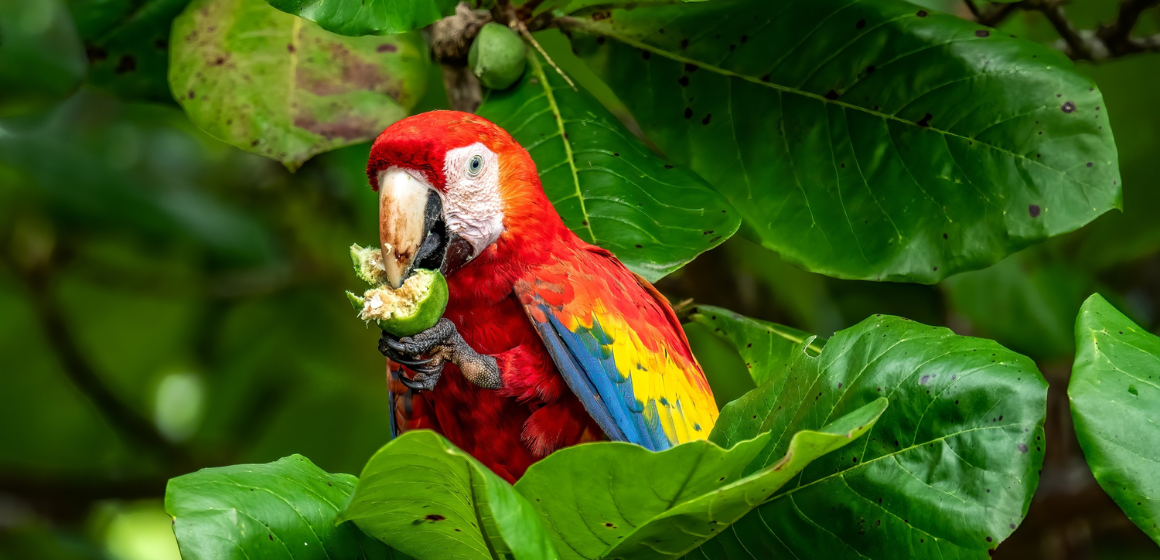
Carara National Park | Central Pacific | Scarlet macaws, American crocodiles | December to April |
Marino Ballena National Park | Southern Pacific | Humpback whales, dolphins | August to October; December to March |
Corcovado National Park | Osa Peninsula | Tapirs, all four monkey species, scarlet macaws, big cats | December to April |
Cahuita National Park | Southern Caribbean | Sloths, howler monkeys, reef fish | September and October |
Rincón de la Vieja National Park | Guanacaste | Howler monkeys, coatis, motmots | December to April |
For wildlife enthusiasts | |||
Palo Verde National Park | Guanacaste | Wetland birds, jabirus, crocodiles | January to March |
Caño Negro Wildlife Refuge | Northern plains | Migratory waterbirds, caimans | January to April |
Tenorio Volcano and Bijagua | Northern highlands | Baird's tapirs, cloud forest birds | Year-round |
San Gerardo de Dota | Talamanca Mountains | Resplendent quetzals, highland birds | February to May |
Sarapiquí | Northern Caribbean lowlands | Great green macaws, poison dart frogs | February to April |
Ostional Wildlife Refuge | Nicoya Peninsula | Olive ridley turtle mass nesting | August to November |
Las Baulas National Marine Park | Guanacaste | Leatherback turtles | October to February |
Cocos Island National Park | Pacific Ocean | Hammerhead sharks, whale sharks, manta rays | June to November |
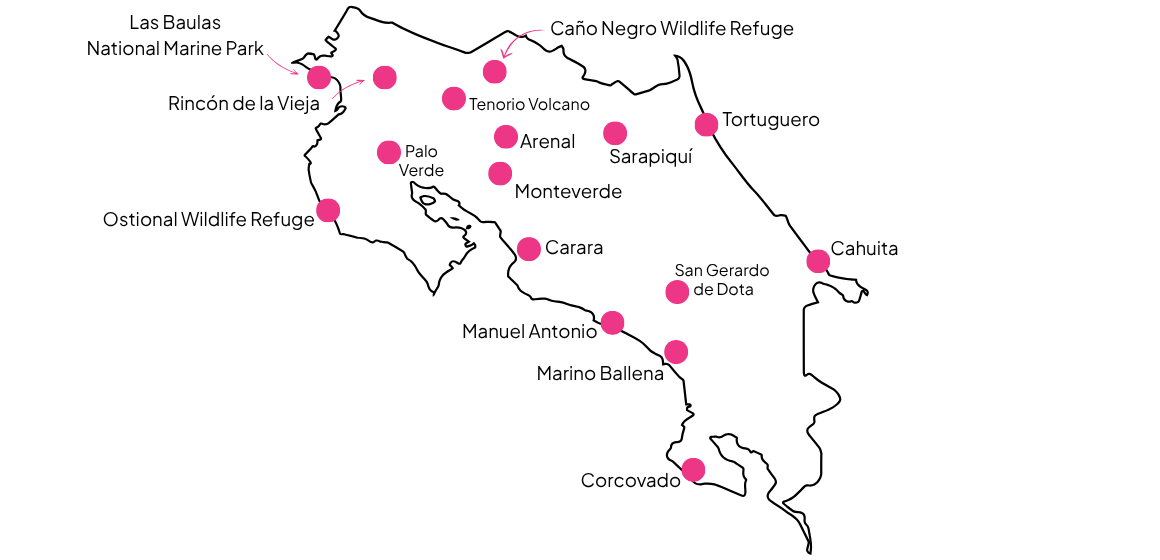 Map showing where to find each national park in Costa Rica
When to go to Costa Rica for wildlife
There's no bad time to see wildlife in Costa Rica, but the seasons shape what you'll see and where.
The dry season runs roughly from December to April across most of the country, especially on the Pacific side. Trails are easier underfoot, animals gather around the remaining water sources in Guanacaste's dry forests, and migratory birds from North America swell the numbers. It's also the busiest time to travel, so popular parks fill up quickly.
The green season, from May to November, brings afternoon showers and lush forest. Mornings are often clear, there are fewer people on the trails, and it's the main window for nesting turtles and the southern humpback whale migration.
The Caribbean coast follows its own pattern. It can rain at any time of year, but September and October tend to be among its drier months, just as the Pacific side reaches its wettest.
The classics
Tortuguero National Park
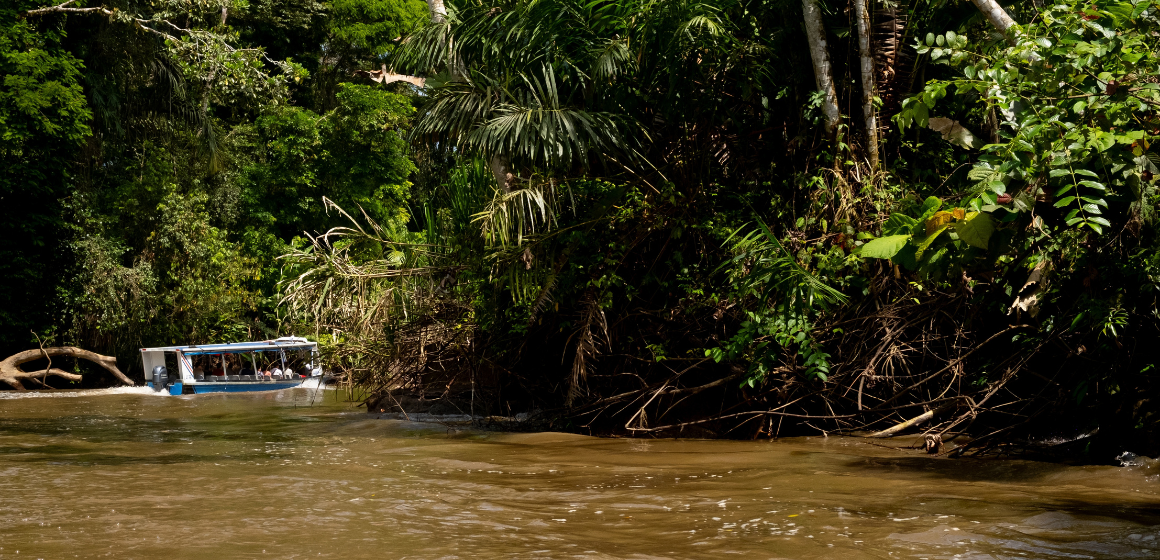
Reachable only by boat or light aircraft, Tortuguero is a maze of jungle-lined canals on the northern Caribbean coast, and much of its wildlife watching happens from the water. Gliding along the waterways, you're likely to see caimans basking on the banks, river otters, herons and kingfishers, while howler, spider and white-faced capuchin monkeys move through the trees above. Sloths, toucans, green iguanas and basilisk lizards are common too.
Tortuguero is best known for its turtles. Green turtles come ashore in large numbers to nest on the long black-sand beach, and leatherbacks nest here in smaller numbers earlier in the year.
Best time to visit: July to October for nesting green turtles, with August usually the busiest month. Leatherbacks nest from around March to May. The canals are rich in wildlife all year round.
Our tip: Book an early-morning canoe or kayak tour as well as a motorboat trip. Paddling is quieter, so you can drift closer to wildlife on the narrower channels. For turtle watching, nighttime visits to the beach are only allowed with a certified guide, and torches and flash photography aren't permitted.
Visit Tortuguero National Park on our 13-day Coast to Coast: Highlights of Costa Rica holiday
Arenal Volcano National Park
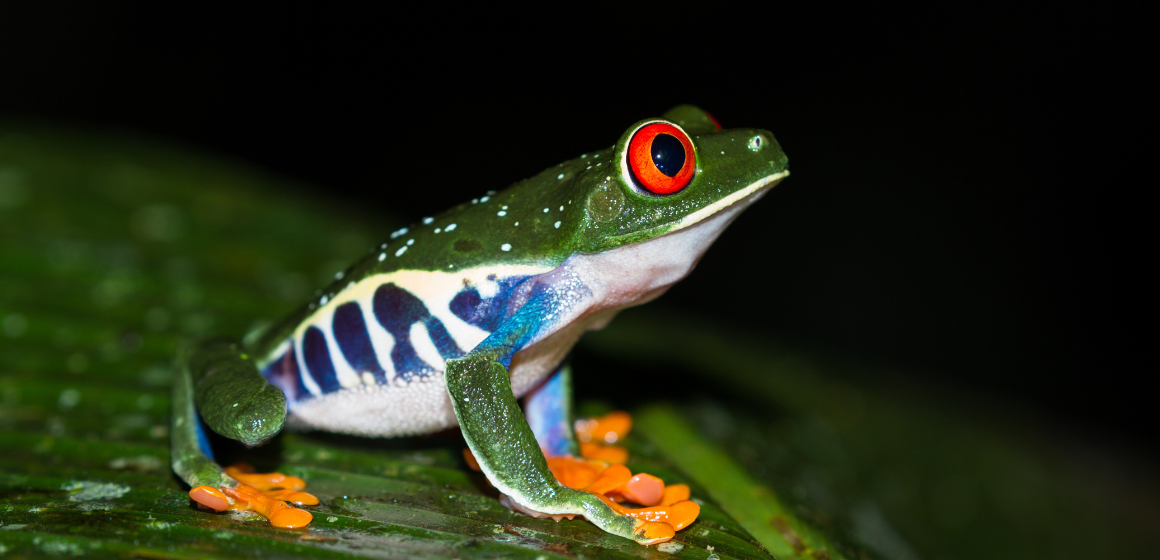
Set beneath the perfect cone of Arenal Volcano, this area combines the national park with a ring of private reserves, hanging bridges and rainforest trails. Two- and three-toed sloths are regularly spotted here, alongside keel-billed toucans, white-nosed coatis, howler monkeys and agoutis. After dark, the forest is home to red-eyed tree frogs, glass frogs and eyelash vipers.
Best time to visit: February to April, when the weather tends to be drier and clearer views of the volcano are more likely. Wildlife is active year-round.
Our tip: Book a guided night walk. Many of Arenal's most colourful residents, including its tree frogs, only come out after dark, and a guide with a torch will find far more than you would alone.
Visit Arenal Volcano National Park on our 9-day Adventure Between Volcanoes holiday
Monteverde Cloud Forest
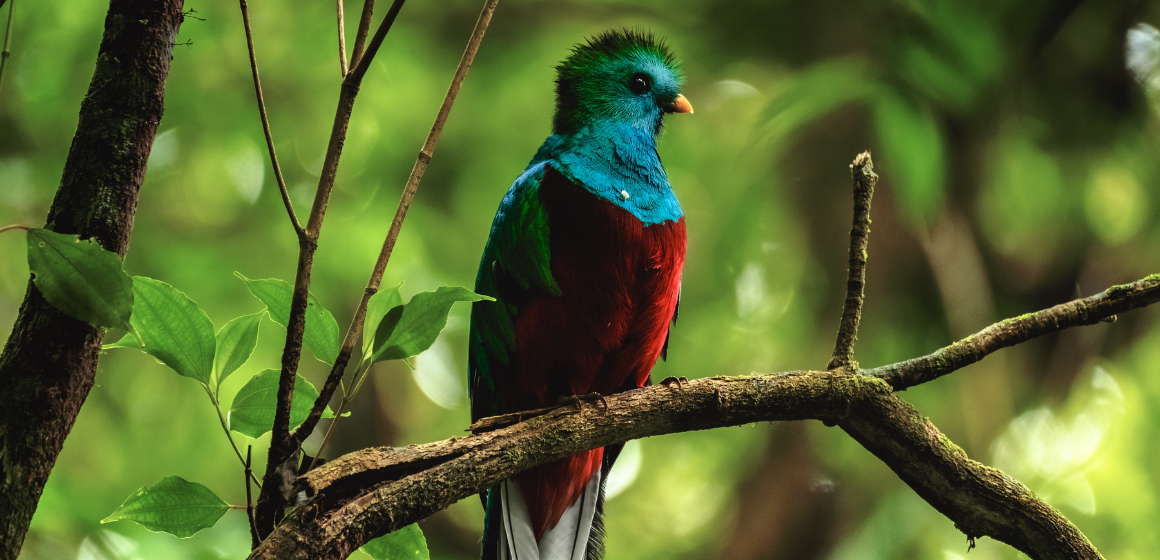
High in the Tilarán Mountains, Monteverde's cloud forest is draped in mosses, orchids and bromeliads, and it's one of the best places in Central America to see the resplendent quetzal, with its iridescent green tail feathers. The Monteverde Cloud Forest Reserve is the best known, while the nearby Santa Elena and Curi-Cancha reserves are often quieter.
Birdlife is the big draw here. Hummingbirds are everywhere, and you may hear the unmistakable metallic call of the three-wattled bellbird. Night tours reveal tarantulas, kinkajous, sleeping birds and glass frogs.
Best time to visit: March to May, when quetzals are nesting and feeding on wild avocado trees, which makes them easier to find. The bellbird is easiest to hear from around March to June.
Our tip: Go with a local guide who carries a spotting scope. The cloud forest canopy is dense and often misty, and a trained eye and a scope make all the difference when you're looking for a quetzal. Bring a warm layer and a rain jacket too, as it's cooler and damper than the lowlands.
Visit Monteverde Cloud Forest on our 12-day Costa Rica Quest holiday
Manuel Antonio National Park
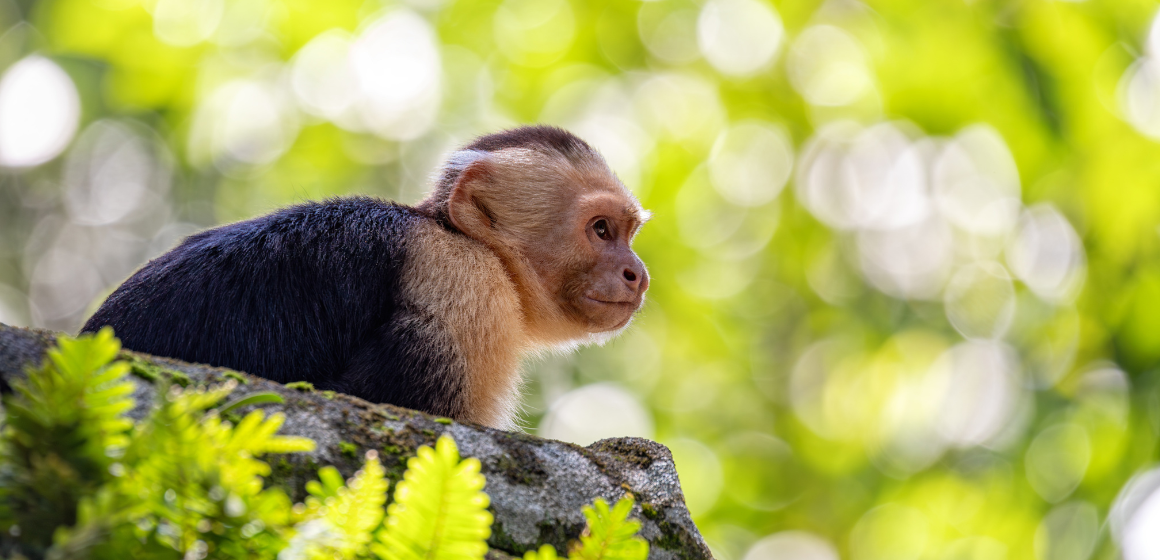
Manuel Antonio is one of Costa Rica's smallest national parks, but it's also one of its most rewarding, with rainforest trails that lead straight down to white-sand beaches. It's a great place to see sloths and three of the country's four monkey species: mantled howlers, white-faced capuchins and Central American squirrel monkeys, which are only found along this stretch of the Pacific coast and in western Panama. Green iguanas, agoutis, raccoons and colourful crabs are easy to spot too.
Best time to visit: December to April for the driest weather, though it's also the busiest period. Visiting in May, June or November can mean fewer people on the trails.
Our tip: Arrive when the park opens in the morning, when animals are most active and before the trails get busy. Entry tickets must be bought online in advance and the park closes one day a week, so check before you go. Keep food packed away: the capuchins here are well known for raiding bags.
Visit Manuel Antonio National Park on our 10-day Costa Rica Explorer holiday
Marino Ballena National Park
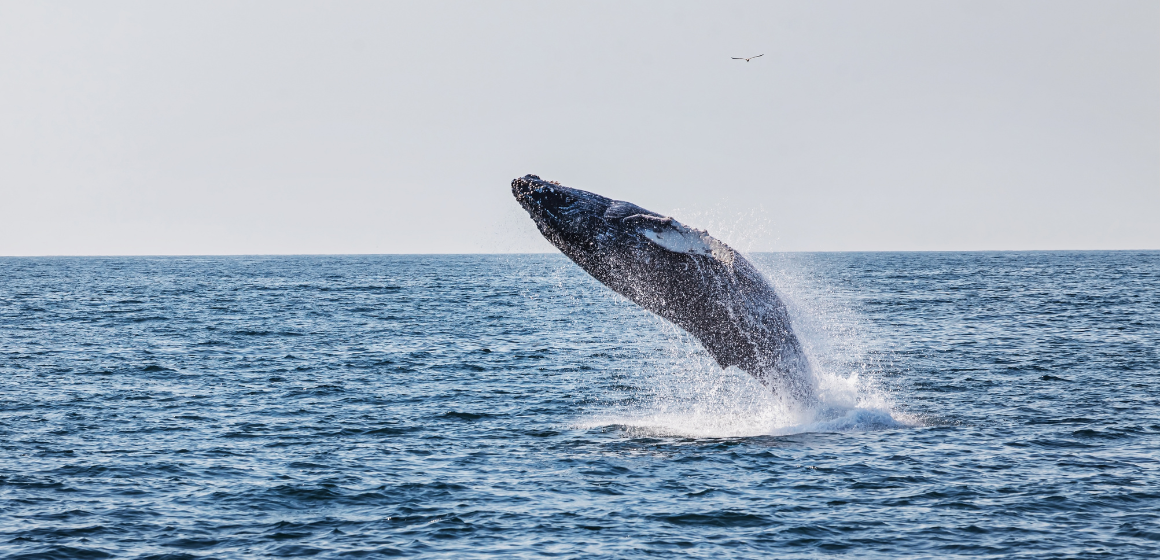
This marine park near Uvita protects a stretch of the southern Pacific coast, including a sandbar that's shaped like a whale's tail at low tide. Its waters are visited by humpback whales from both the northern and southern hemispheres, which gives it one of the longest whale-watching seasons in the world. Bottlenose and pantropical spotted dolphins are seen year-round, and olive ridley turtles nest on its beaches.
Best time to visit: August to October for humpbacks migrating from the southern hemisphere, and December to March for those from the north.
Our tip: Book a morning boat trip from Uvita, when the sea is usually at its calmest, and make time to walk out along the whale's tail sandbar at low tide.
Corcovado National Park
On the remote Osa Peninsula, Corcovado protects one of the largest areas of lowland rainforest left on the Pacific coast of the Americas. It's the most rewarding park in Costa Rica for serious wildlife spotting, and one of the few places where all four of the country's monkey species live side by side.
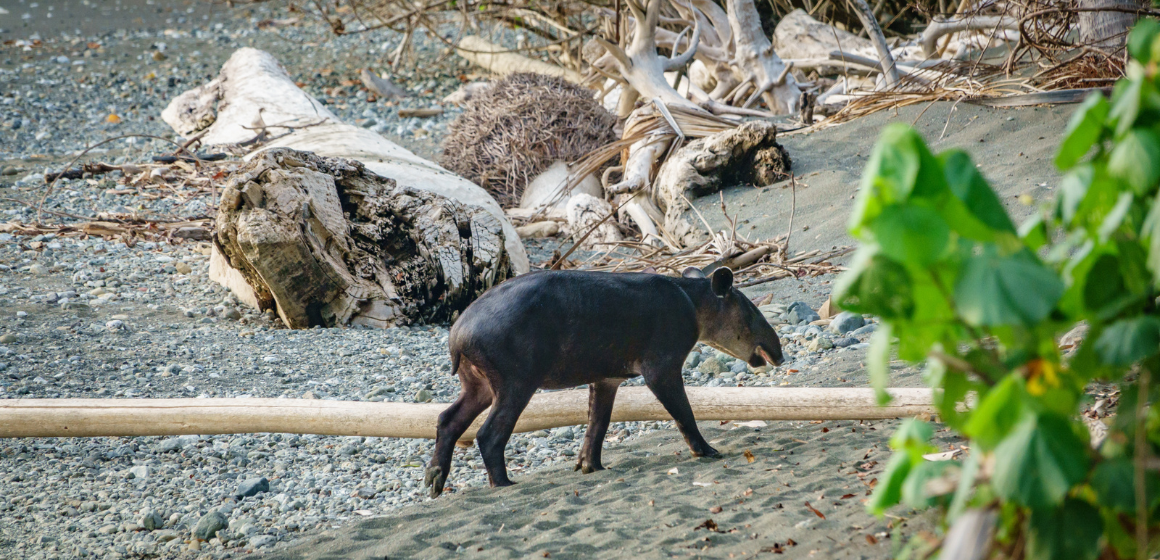
Baird's tapirs are seen fairly often around the Sirena ranger station. You may also see scarlet macaws, collared and white-lipped peccaries, anteaters, sloths and coatis. Jaguars, pumas and ocelots live here too, though sightings are rare.
Best time to visit: December to April. In the wettest months, particularly October and November, trails can be muddy and some routes may be restricted.
Our tip: All visits to Corcovado must be made with a certified guide. For the best chance of seeing tapirs and peccaries, consider a stay at the Sirena ranger station rather than a day trip, so you can be on the trails at dawn and dusk.
Visit the Corcovado National Park on our 9-day Costa Rica Self-Drive Holiday
Cahuita National Park
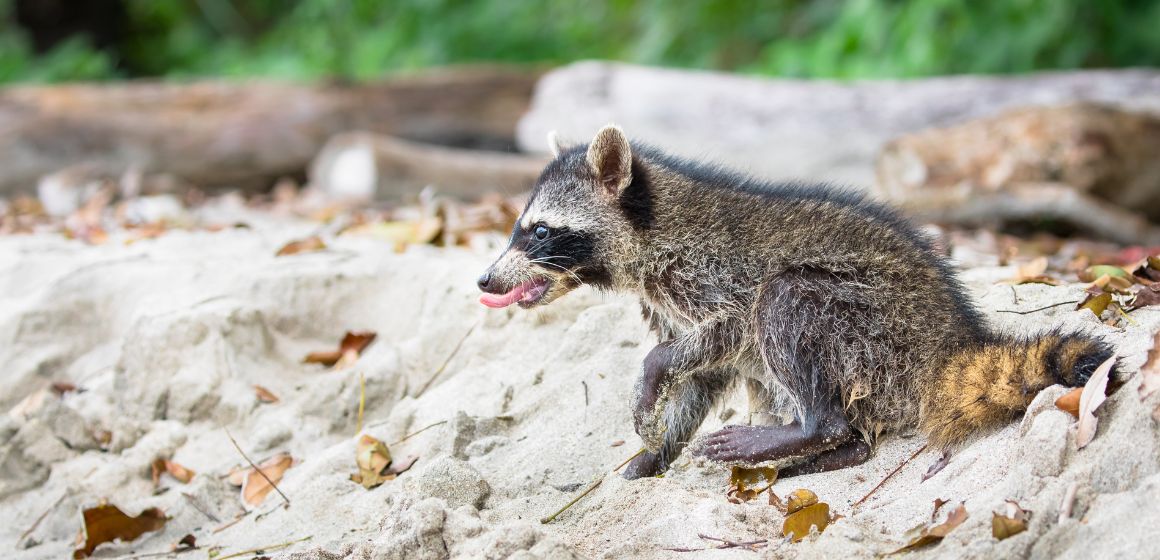
On the southern Caribbean coast, Cahuita combines a flat, easy trail through coastal rainforest with one of the country's main coral reefs. Walking the path that runs alongside the beach, you're likely to see sloths, mantled howler monkeys, white-faced capuchins and raccoons. Look closely at the vegetation for the bright-yellow form of the eyelash viper. Offshore, the reef is home to tropical fish, rays and sea turtles.
Best time to visit: September and October, when the Caribbean coast is often at its driest and the water is clearer for snorkelling.
Our tip: Snorkelling on the reef is only permitted with a licensed local guide, so book a boat trip that includes it. On land, walk slowly and look up: sloths here are often curled up surprisingly close to the trail.
Visit Cahuita National Park on our 13-day Costa Rica Luxury Journey holiday
Carara National Park
Carara sits where the dry forests of the north meet the humid rainforests of the south, so it's home to species from both. It's best known for scarlet macaws, which feed in the park by day and fly to the coastal mangroves to roost in the evening. Look out for trogons, motmots, toucans and green-and-black poison dart frogs on the trails.
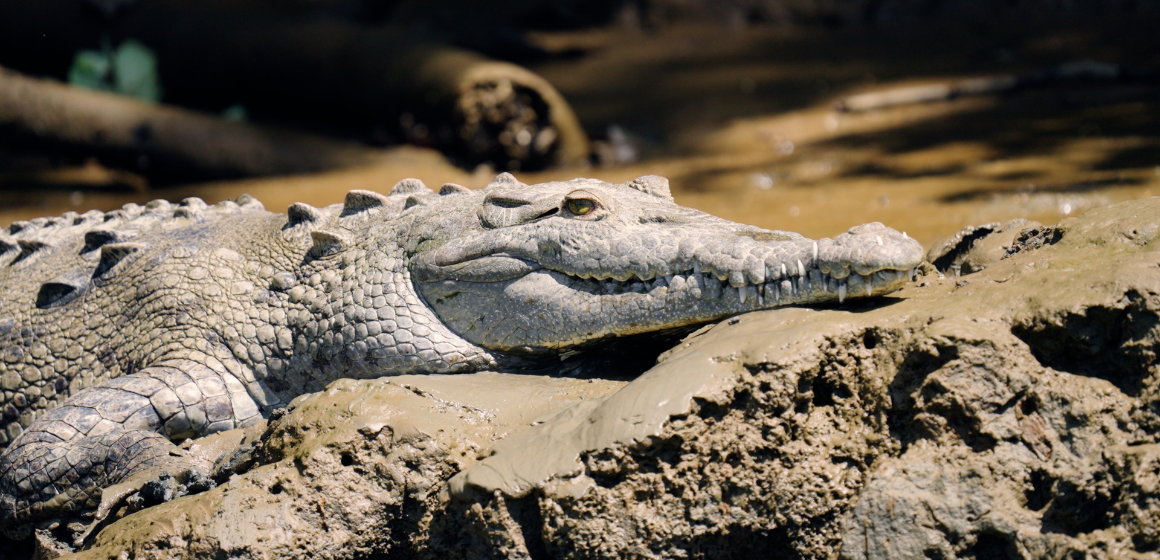
Just outside the park, the bridge over the Tárcoles River is one of the most reliable places in the country to see large American crocodiles basking on the sandbanks below.
Best time to visit: December to April, when the trails are drier and the birdlife is at its most visible.
Our tip: Carara is on the main route between San José and the central Pacific coast, which makes it an easy stop on the way to Manuel Antonio. Visit first thing in the morning for the best birdwatching, then stop at the Tárcoles bridge to see the crocodiles.
Visit the Carara National Park on our 7-day Costa Rica Birdwatching in Paradise holiday
Rincón de la Vieja National Park
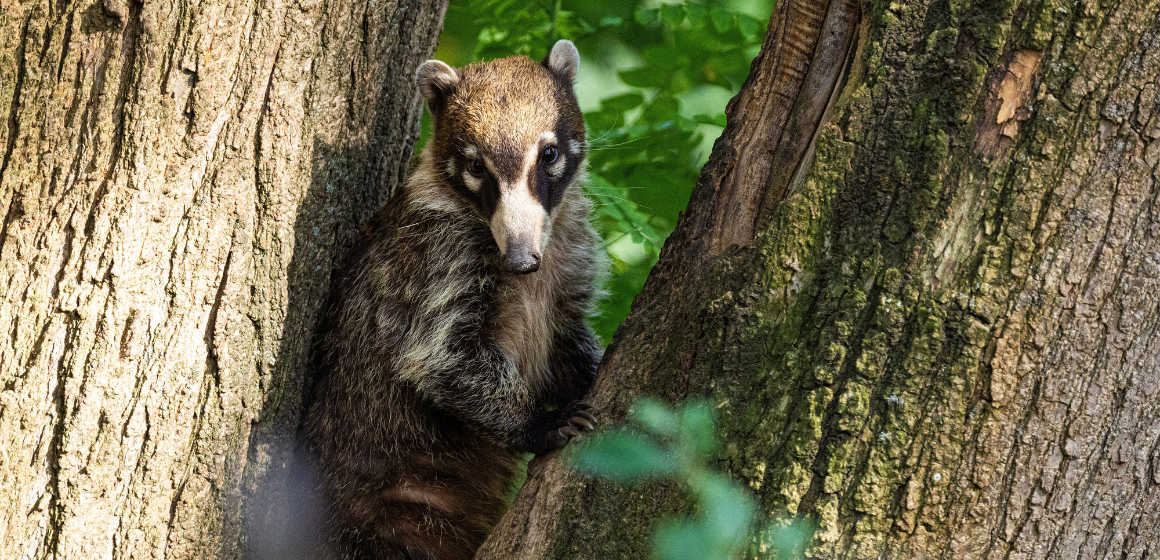
In Guanacaste, close to the Pacific beaches, Rincón de la Vieja is a volcanic landscape of dry forest, bubbling mud pots and waterfalls. Howler monkeys, white-nosed coatis, agoutis and white-tailed deer are common, and the birdlife includes motmots, trogons and magpie jays.
Best time to visit: December to April, when the dry season thins out the forest canopy and makes wildlife easier to see.
Our tip: Start early. Guanacaste gets very hot by midday, and both animals and visitors are more active in the cooler morning hours. Bring plenty of water, as there are few facilities along the trails.
For wildlife enthusiasts
Palo Verde National Park
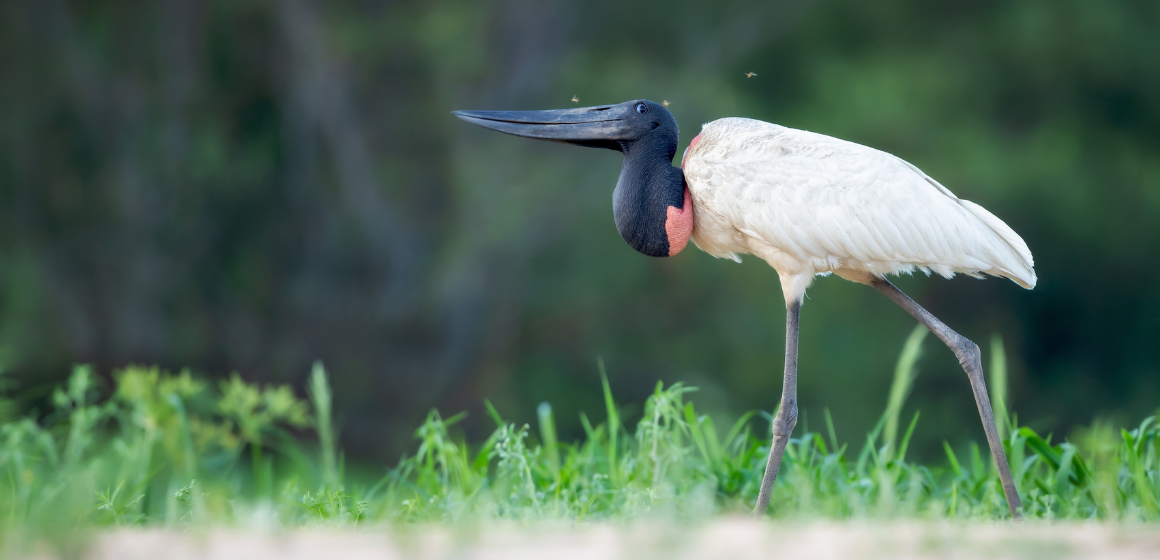
In the Tempisque River basin of Guanacaste, Palo Verde is a mosaic of seasonal marshes, lagoons and dry forest, and one of the most important wetlands in Central America for waterbirds. During the dry season, as the water recedes, birds gather in their thousands. Look out for jabiru storks, roseate spoonbills, wood storks, black-bellied whistling ducks and many species of heron and egret. The river is also home to large American crocodiles.
Best time to visit: January to March, when the birds are most concentrated around the remaining water.
Our tip: Bring your own binoculars. Many of the birds here are best seen at a distance across open marsh, and a good pair will make your boat trip on the Tempisque River far more rewarding.
Caño Negro Wildlife Refuge
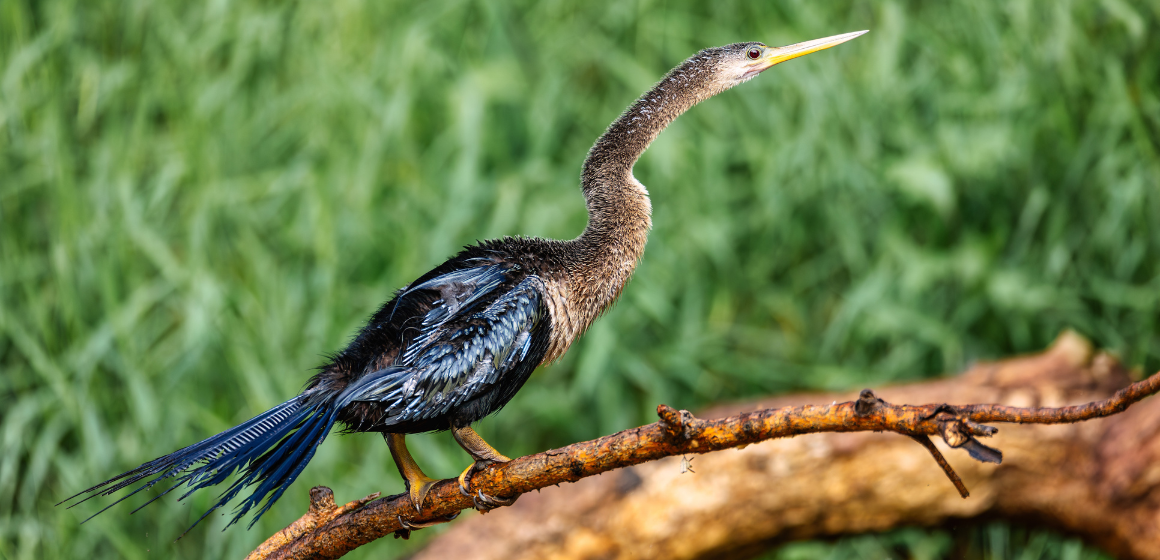
Close to the Nicaraguan border, Caño Negro is a wetland of lagoons and slow rivers that floods during the rainy season and shrinks back in the dry months. It's a haven for waterbirds, including anhingas, roseate spoonbills, storks and migrating ducks, as well as the Nicaraguan grackle, which has a very small range. Caimans, turtles, iguanas and howler monkeys are commonly seen from the boat.
Best time to visit: January to April, when water levels drop and migratory birds from North America are present.
Our tip: Take a boat trip as early in the morning as possible, when birds are feeding and the light is soft. Caño Negro can be visited as a day trip from the Arenal area.
Tenorio Volcano National Park and Bijagua
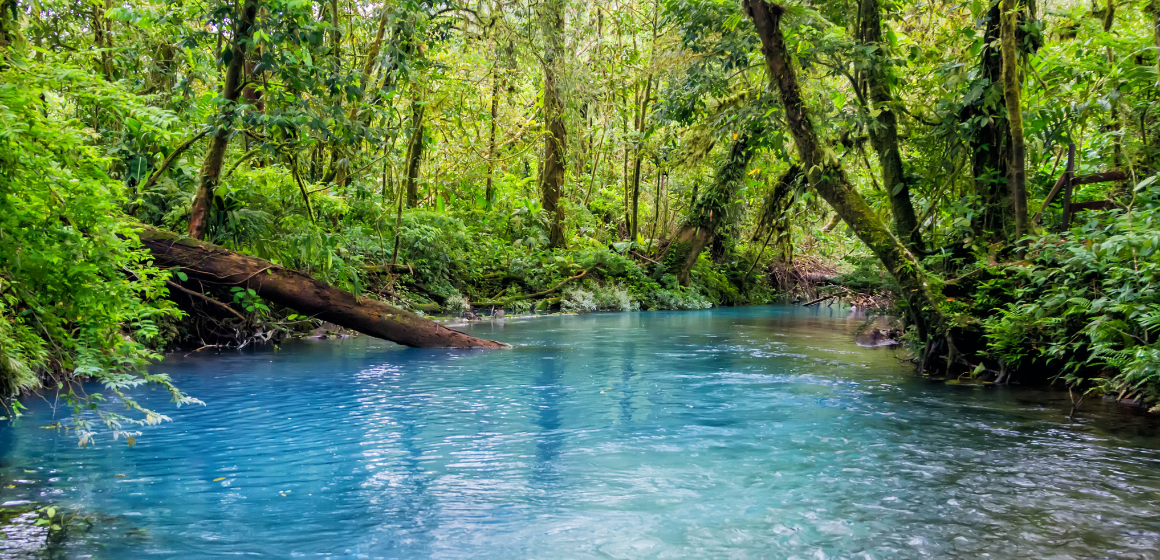
Tenorio is best known for the startling blue waters of the Río Celeste, but the small town of Bijagua at the foot of the volcano has become one of the best places in Costa Rica to see Baird's tapir, the largest land mammal in Central America. Private reserves around Bijagua run guided walks where tapirs are regularly spotted. The surrounding forests are also home to sloths, monkeys, toucans and a wide range of frogs.
Best time to visit: Tapirs can be seen year-round. February to April is a good time to combine a visit with the Río Celeste, as heavy rain can turn its water cloudy.
Our tip: Book a guided night walk in one of Bijagua's private reserves. Tapirs are mostly active after dark, and local guides know where they come to feed.
San Gerardo de Dota
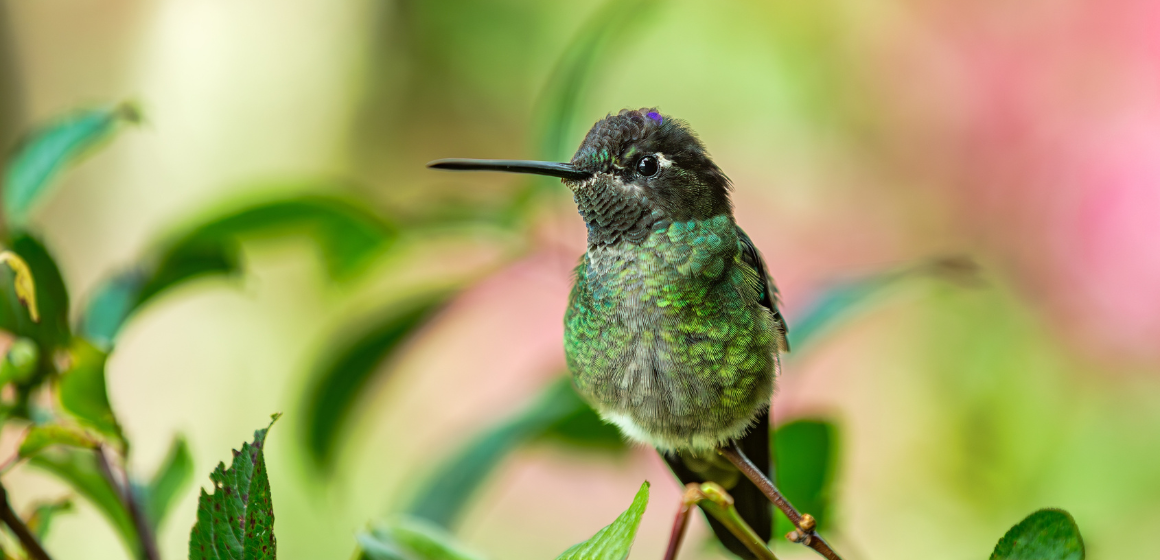
Hidden in a steep valley in the Talamanca Mountains, San Gerardo de Dota is a small community surrounded by oak forest, and a favourite with birdwatchers looking for resplendent quetzals. Sightings here are often more reliable than in Monteverde. The highlands are also home to species found only in the mountains of Costa Rica and western Panama, such as the fiery-throated hummingbird, flame-throated warbler and long-tailed silky-flycatcher. Nearby Los Quetzales National Park protects more of this high-altitude habitat.
Best time to visit: February to May, during the quetzal breeding season.
Our tip: Head out at dawn with a local guide. Quetzals feed early in the morning, and guides in San Gerardo often know which trees the birds are visiting that week. Pack warm layers, as temperatures at this altitude can drop sharply at night.
Sarapiquí
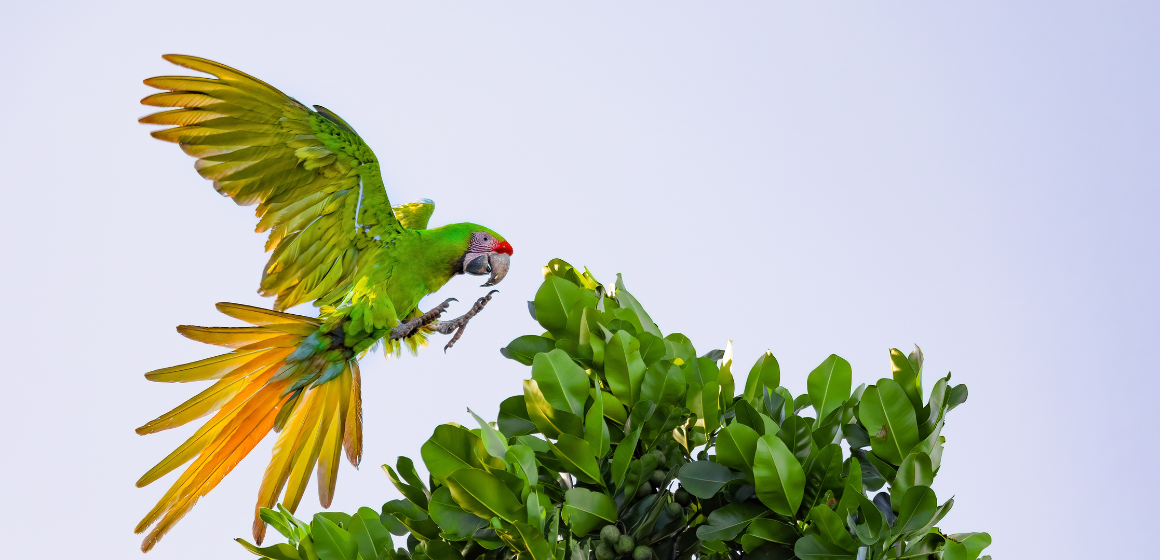
The Sarapiquí region in the Caribbean lowlands is home to La Selva Biological Station, one of the most important tropical research stations in the world, as well as several private reserves. It's one of the best places to see the endangered great green macaw, which nests in the region's tall almendro trees. Strawberry poison dart frogs, sloths, toucans, peccaries and a long list of rainforest birds are found here too.
Best time to visit: February to April tends to be drier. Great green macaws are usually easiest to find during their nesting season, roughly from December to June.
Our tip: Book a guided walk at La Selva. Its naturalist guides know the research trails well, and the station's long-running work means wildlife here is used to people.
Visit Sarapiquí on our 15-day Costa Rica Off the Beaten Path Treasures Self Drive holiday
Ostional National Wildlife Refuge
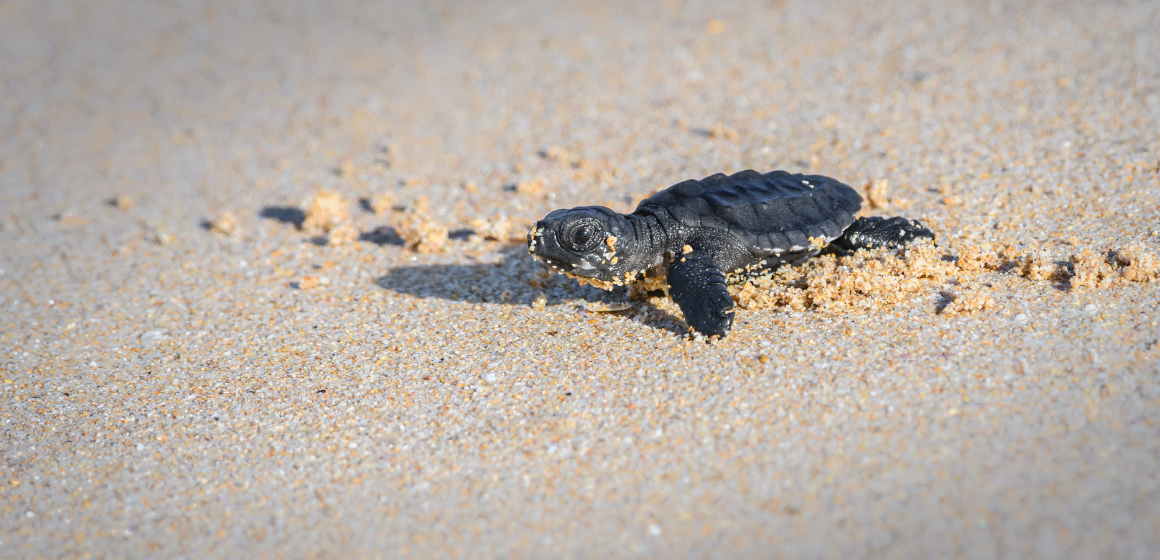
On the Nicoya Peninsula, Ostional is one of the few places in the world where olive ridley turtles nest in an arribada: a mass arrival where thousands of turtles come ashore over a few nights to lay their eggs. Watching a beach fill with turtles is a remarkable sight. The refuge also protects nesting leatherbacks and green turtles in smaller numbers.
Best time to visit: Arribadas can happen in any month, but they are largest from around August to November.
Our tip: Arribadas can't be predicted to the day, so plan a stay of a few nights nearby to give yourself the best chance. Visits to the beach must be made with a guide from the local community association.
Las Baulas National Marine Park
Near Tamarindo in Guanacaste, Las Baulas protects Playa Grande and the neighbouring beaches, one of the main nesting sites on the Pacific coast for the leatherback turtle, the largest turtle in the world. The eastern Pacific leatherback population has declined sharply in recent decades, so sightings aren't guaranteed, but seeing one is a rare experience. By day, the Tamarindo estuary mangroves are good for crocodiles, herons and kingfishers.
Best time to visit: October to February, during the leatherback nesting season.
Our tip: Night visits to the beach are only possible on official guided tours, and numbers are limited, so book well in advance. Be prepared to wait, as tours only head onto the beach when a turtle has been spotted.
Cocos Island National Park
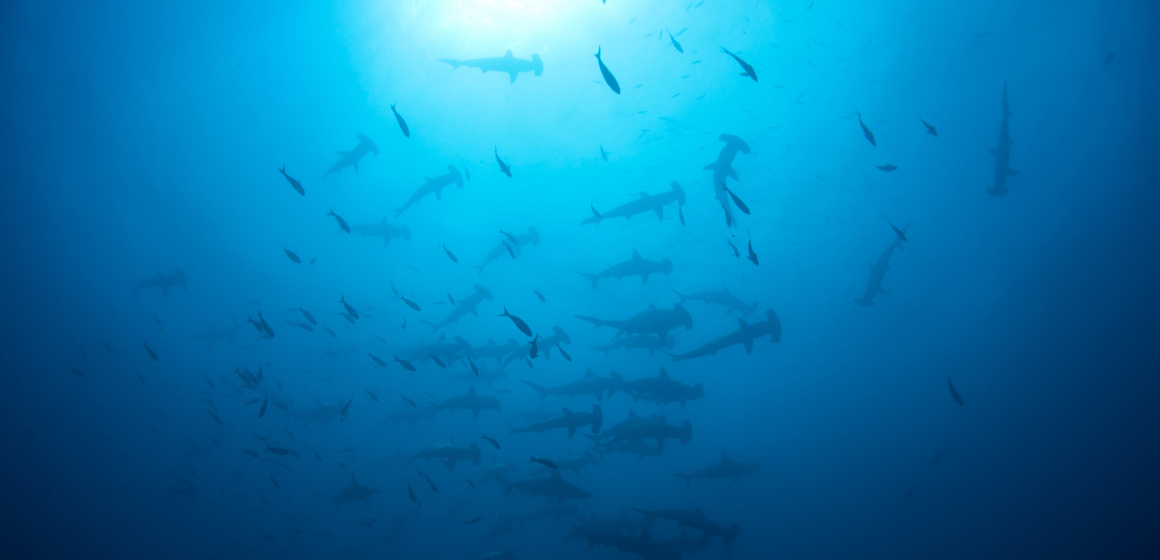
Around 550 kilometres off the Pacific coast, Cocos Island is a UNESCO World Heritage Site and one of the world's great dive destinations. It's only reachable on a liveaboard dive trip, with a crossing of more than a day each way. Beneath the surface, divers can see large schools of scalloped hammerhead sharks, whitetip reef sharks, Galápagos sharks, manta rays, dolphins and, at times, whale sharks.
Best time to visit: June to November for the largest schools of hammerheads, though seas can be rougher. December to May usually brings calmer conditions.
Our tip: Cocos is for experienced divers only, as currents can be strong and dives are deep. Liveaboard trips have limited places and often sell out a long way ahead, so it's worth planning at least a year in advance.
Plan your Costa Rica wildlife holiday
Whether you're hoping to see your first sloth or ticking off a quetzal, a tapir or a hammerhead, Costa Rica rewards a little planning. Combining two or three contrasting habitats, such as rainforest, cloud forest and coast, is the easiest way to see the widest range of wildlife on a single trip.
Take a look at our Costa Rica holidays, or get in touch and we'll design a trip around the wildlife you'd most like to see.